
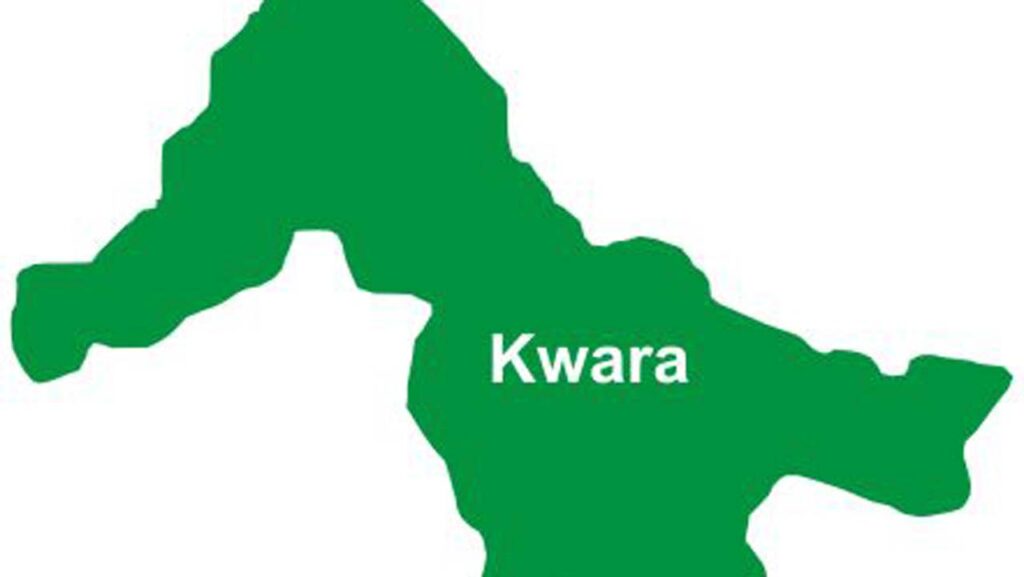
Kwara’s Shameful Retreat into Insecurity: Our People’ve been Betrayed
By Likeminds Support Group for Ali Ahmad
Kwara State finds itself at a painful juncture in history. What we are witnessing is not only the erosion of security but also the erosion of trust, of hope, and of leadership.
The relocation of the NYSC camp is more than an administrative decision. It is a proclamation that Kwara is no longer safe. It is a scar upon our state’s dignity, a confession of failure, and a disgrace to a heritage once cherished.
For decades, the NYSC represented unity, sacrifice, and service. Young men and women from every corner of Nigeria journeyed here with enthusiasm, bringing their skills and leaving behind bonds of friendship and progress. That proud tradition has now been broken.
This collapse did not come from a natural disaster or external invasion. It came from weak governance. It came from the refusal of the AbdulRahman AbdulRazaq administration to rise to the challenge of insecurity.
Leadership demands courage. But here in Kwara, what we see is retreat. Where boldness is required, silence reigns. Where compassion should lead, indifference dominates. Where protection should be given, abandonment is delivered.
The people asked for safety; they were handed fear. They asked for prosperity; they were handed despair. They asked for leadership; they were handed cowardice.
The humiliation of losing the NYSC camp is not isolated. It is tied to a larger tragedy—the closure of Kara markets across Kwara South. These markets, lifelines of survival, have been strangled under the weight of reckless decisions.
The farmers who rise before dawn now watch helplessly as their crops rot away. Their labour has been reduced to waste by a government too timid to confront criminals, yet too eager to punish the innocent.
Traders who once filled the markets with energy and commerce are now buried in debt. Their cries echo in silence as the administration walks far away from their suffering.
Transporters who once bustled with activity now sit beside parked vehicles. The daily earnings that fed their children are gone, replaced with frustration and hopelessness.
Security should mean protection of life and livelihood, but in Kwara today, security has been twisted into an excuse for cruelty. Markets are not closed in the name of safety; they are closed in the name of weakness.
A government that punishes its citizens instead of protecting them has lost its moral compass. What Kwara faces is not a battle against criminals alone—it is a battle against failed leadership.
What makes this betrayal heavier is the silence of the governor. In times of pain, leaders are expected to speak, to stand, to comfort, and to assure. But our state is led by silence, by absence, by distance.
Kwara bleeds, yet those entrusted with power pretend nothing is wrong. Kwara weeps, yet its leaders are deaf to the sound. Kwara suffers, yet its government carries on as though untouched.
Indifference is a form of injustice. To ignore the cries of the people is to add salt to their wounds. And this government has mastered the art of indifference.
We are living through a period that will be remembered not for progress but for surrender. Other states innovate to fight insecurity; Kwara retreats. Other leaders confront their people’s pain; Kwara’s rulers abandon theirs.
The people of Kwara deserve better. They deserve a government that listens, that feels, that acts. They deserve leaders who will not hide from their own citizens.
The tragedy of this era is not only in the insecurity itself but in the betrayal that comes from silence. A government that is far from its people is no government at all.
History will not be kind to those who chose distance over presence, silence over speech, and cowardice over courage. History has a long memory, and it records both actions and inactions.
Our youth, once hopeful, now carry the burden of fear. The promise of tomorrow has been darkened by the failures of today. And yet, the governor remains unmoved.
Our farmers, the backbone of our economy, have been humiliated. Their harvests have been reduced to dust while the state looks away. No society can grow when those who feed it are abandoned.
Our traders, once proud and industrious, now wear despair like a garment. Markets that once buzzed with energy now echo with silence. This silence is not ordinary; it is a silence of broken livelihoods.
What has emerged in Kwara is a pattern of surrender. Each crisis is met not with strength but with withdrawal, not with resolve but with excuses. The shame is not only local; it is national.
The people of Kwara cannot remain silent in the face of this betrayal. To stay silent is to accept despair as destiny. To stay silent is to watch the collapse of governance without resistance.
In the midst of this failure, one voice has consistently risen above the silence—the voice of Professor Ali Ahmad. He has spoken truth where others hide, courage where others cower, and vision where others are blind.
The people of Kwara cannot continue to be abandoned in silence. They need leadership that stands with them, leadership that fights for them, leadership that restores their dignity.
Kwara may be wounded, but it is not defeated. The spirit of the people remains alive. The demand for leadership that serves rather than abandons remains strong.
Our duty is clear. We must reject cowardice. We must expose betrayal. We must demand courage, empathy, and action. Kwara deserves nothing less.
In this struggle, we find strength not in those who retreat but in those who rise. And as we look ahead, we know that Kwara will one day rise again under leaders who stand with the people, not far away from them.
Comrade Hassan Sparrow
Administrator | Media Personnel | Politician | Activist | Philanthropist
For Likeminds Support Group for Ali Ahmad